• 3 min read
Q3 looks to be another record-setting period for EV sales
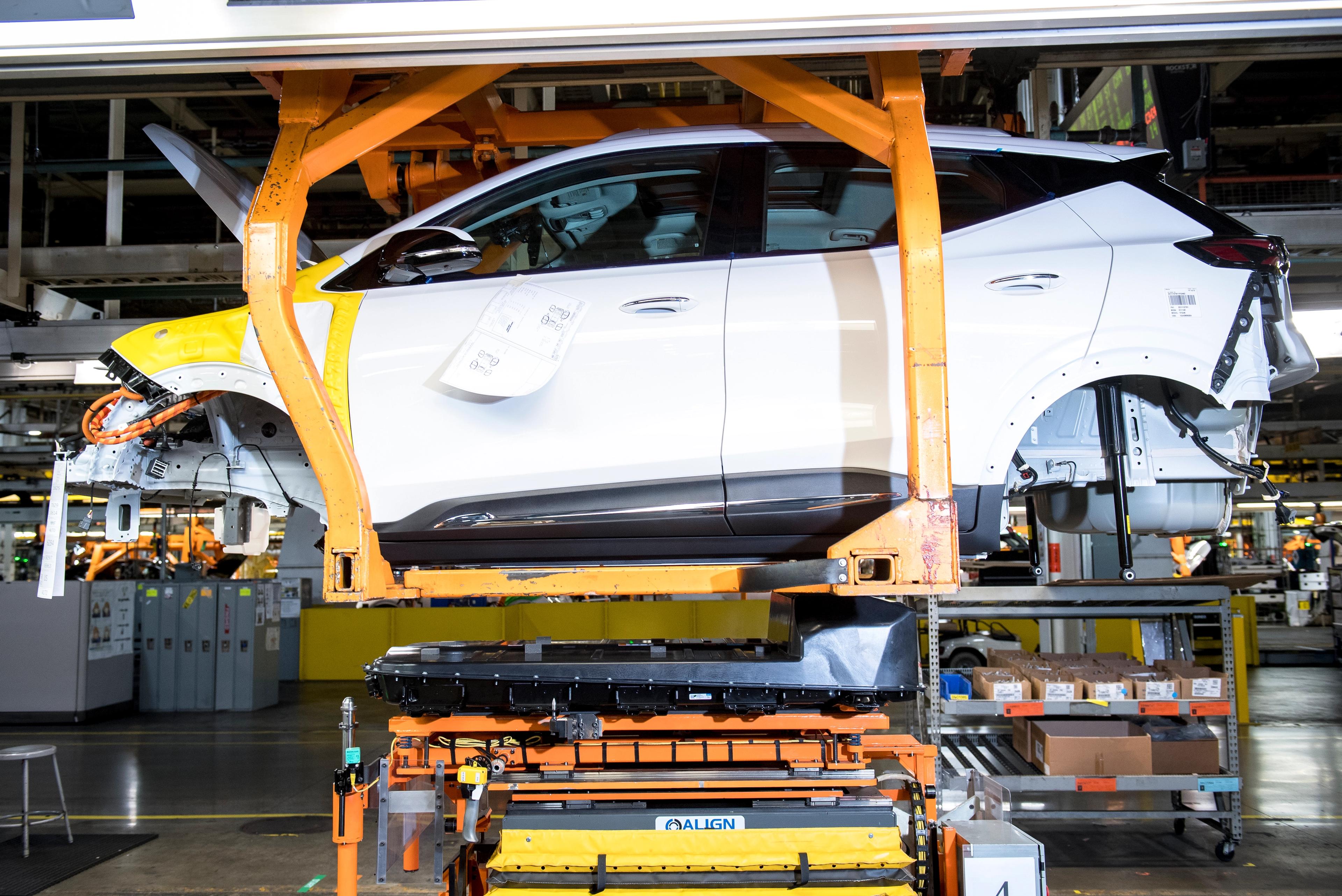
Electrified vehicle models bucked Q3’s widespread decreases in new-vehicle sales, industry reports showed.
The Washington Post/Getty Images
Electrified vehicle models bucked Q3’s widespread decreases in new-vehicle sales, industry reports showed.
The Washington Post/Getty Images
Q3 appeared to be a lackluster one for new-vehicle sales in the US—but electrified vehicles were a silver lining.
Several automakers reported YoY sales declines as consumers dealt with high prices and steep interest rates. The EV market has faced its fair share of challenges this year, too, with much of the industry pulling back on investments amid growing competition and slowing demand.
Still, Q3 appeared to be another record quarter for EVs. Indeed, sales of battery-electric, hybrid, and plug-in hybrid were up by double digits for many automakers even as others reported overall declines.
“The story is steady demand, a slower pace, yet record sales,” Stephanie Valdez Streaty, Cox Automotive’s director of industry insights, said of Q3 EV sales during a recent presentation.
Cox forecast a 2.1% YoY sales drop, but an 8% YoY increase for EVs.
“As competition continues to heat up for the remainder of the year,” Valdez Streaty said, “brands with the right product, right price, and great consumer experience will gain share.”
In recent months, Ford has pulled back on its EV strategy and said it would continue to invest heavily in ICE and hybrid vehicles alongside battery-electric ones.
Toyota Motor North America reported that overall sales fell 8% from the same period last year while electrified vehicle sales grew 38.6%.
“In September, nearly 50% of our total sales volume was an electrified model, an achievement made possible by our outstanding team and dealers,” Jack Hollis, EVP of sales for the company, said in a statement.
Toyota has been at the forefront of a strategy that’s become more popular amid slowing sales of all-electric vehicles: leaning into hybrids.
American Honda, which includes the Honda and Acura brands, reported that Q3 sales were up 8% YoY. In a statement, Lance Woelfer, the company’s VP of auto sales, pointed to “growing sales of electrified models” as a factor.
Meanwhile, EV market leader Tesla reported delivering 462,890 vehicles globally in Q3, missing analysts’ expectations. Tesla does not break its deliveries by region, but its results are closely watched across the EV sector.
Edmunds analysts forecast a 2.3% YoY decline in Q3 sales. Jessica Caldwell, Edmunds’ head of insights, cited “affordability challenges” as the primary reason, per a statement via PR rep Talia James-Armand.
“With the upcoming Federal Reserve meeting in early November, we might see a convergence of factors—such as another potential rate cut, the end of the model year and calendar year—that could lead to more favorable car shopping deals in late 2024,” she said.