Green tech investments are a tale of two different energy transitions, report says
BloombergNEF’s latest report on energy investment trends shows investments in mature tech are outpacing those in emerging tech.
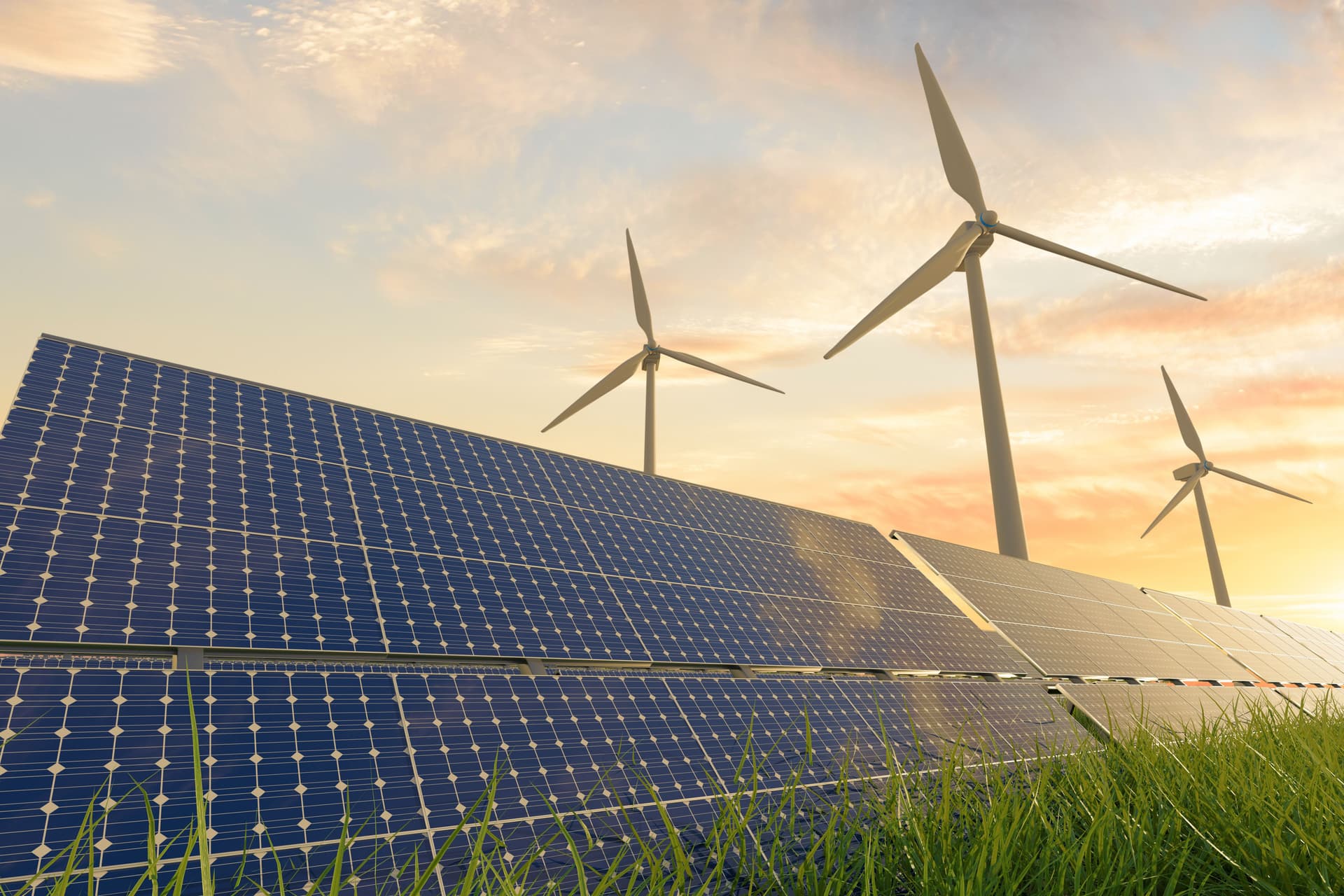
Getty Images
• less than 3 min read
It was trillions of dollars invested in established renewable technology, it was mere billions invested in emerging clean tech—OK, enough Dickensian allusions.
In its latest report on energy transition investment trends, BloombergNEF found that what it calls a “two-speed” energy transition is occurring, meaning that investment in more mature sectors like energy storage and power grids is rapidly outpacing investment in newer green tech, like hydrogen energy, carbon capture and storage, and nuclear energy. In fact, investment in established green tech grew almost 15% last year, while investment in emerging green tech fell 23%.
The report states that the stark difference is due to governments and the private sector not doing enough to “de-risk” emerging tech by bringing prices down or driving innovation. As Tech Brew previously reported, the Inflation Reduction Act drove down prices for established renewables like solar and wind power and newer innovations like nuclear and hydrogen power. But Whit Irvin, CEO of QHydrogen, told Tech Brew last year that the private sector needs to innovate further to really bring down hydrogen prices.
“It’s going to be industry innovation and people working together to solve big problems that will solve it,” Irvin said. “It’s not going to be governments.”
BloombergNEF’s analysis also found that electrified transport, renewables, and power grids were the largest green tech sectors, and that mainland China’s green tech sector growth amounted to “more than double” that of any other country. Plus—for the first time—the global green tech industry is valued at over $2 trillion.
However, the report also stated that we have a long way to go: Annual green tech investment is only 37% of what’s needed to get the world “on track for net zero by 2050.” To turn things around, the annual “clean spend” needs to average around $5.6 trillion yearly between now and 2030, BloombergNEF stated.
Tech news that makes sense of your fast-moving world.
Tech Brew breaks down the biggest tech news, emerging innovations, workplace tools, and cultural trends so you can understand what's new and why it matters.
By subscribing, you accept our Terms & Privacy Policy.
Tech news that makes sense of your fast-moving world.
Tech Brew breaks down the biggest tech news, emerging innovations, workplace tools, and cultural trends so you can understand what's new and why it matters.
By subscribing, you accept our Terms & Privacy Policy.