Amazon Agrees to Acquire Zoox and Waymo Unveils New Alliance with Volvo
Self-driving technical challenges don’t faze Amazon or Alphabet
Zoox
Loading story content…
Self-driving technical challenges don’t faze Amazon or Alphabet
Zoox
Once upon a time, CEOs expected we'd be regularly hailing autonomous rides by now. Instead, companies have faced serious tech hurdles, which have led to missed deadlines and (mostly) far more level-headed autonomous vehicle (AV) predictions.
But those road bumps don’t faze the world’s biggest tech companies, which are plowing forward with their self-driving strategies.
On Friday, the company agreed to acquire self-driving startup Zoox for more than $1.2 billion, the FT reported. This is Amazon’s largest investment in the AV space to date. Last year, the company participated in the $530 million Series B of Aurora, a startup developing a virtual driver for vehicles.
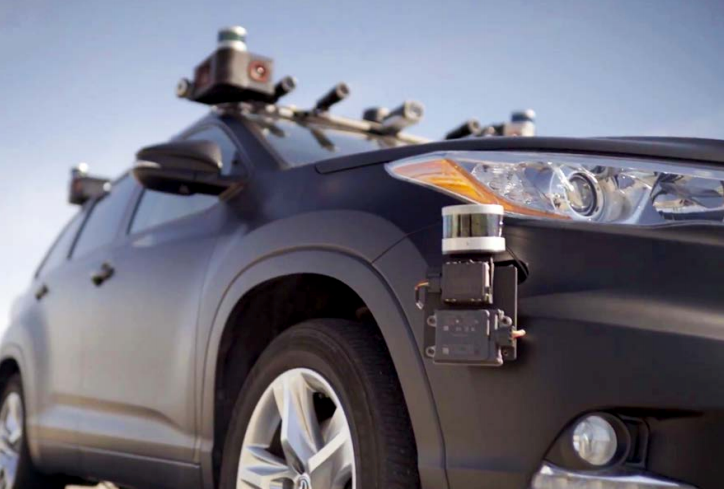
A bit more about Zoox: The six-year-old company is designing a bidirectional AV from scratch, which it would eventually use in a robotaxi ride-hailing service. It’s a neat but expensive concept, and Zoox’s runway was shrinking. Amazon’s deep pockets will take some pressure off.
As for Amazon, the company said it’s drawn to Zoox’s robotaxi ride-hail vision. I suspect there’s also an autonomy play for logistics/fulfillment centers and last-mile delivery.
Last week, Alphabet’s Waymo and Volvo announced they’re partnering to build an electric robotaxi fleet. Waymo will contribute the virtual driver, while Volvo will supply an “all-new mobility-focused electric vehicle platform for ride-hailing services.”
Waymo is becoming the de facto self-driving vendor for automakers that don’t have an independent go-to-market AV strategy. Other Waymo partners include Fiat Chrysler, Jaguar Land Rover, and the Renault-Nissan-Mitsubishi alliance.
Bottom line: The AV field continues to consolidate via acquisitions and alliances. While everyone’s thinking about robotaxis, I'm convinced the first commercial AV fleets will carry packages, not people.