Self-Driving Projects Face Financial and Consumer Headwinds
Let’s take a pulse check
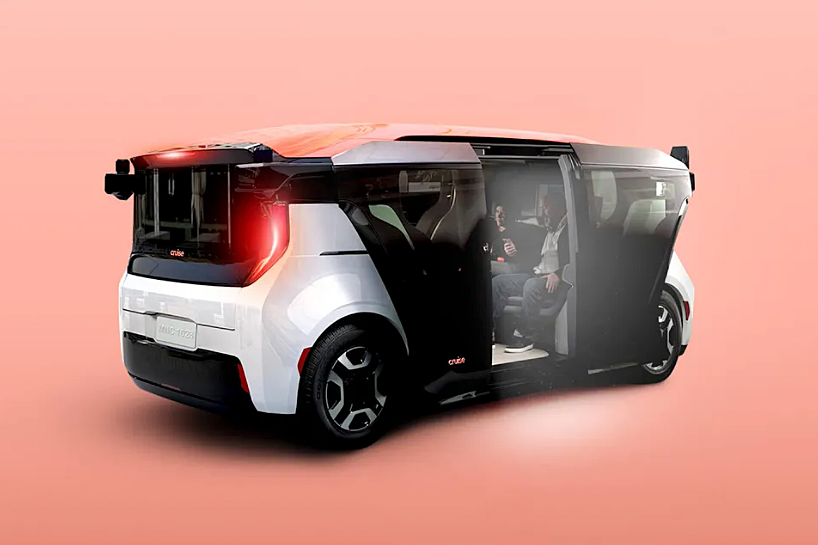
Illustration: Francis Scialabba, Photo: Cruise
Loading story content…
Let’s take a pulse check
Illustration: Francis Scialabba, Photo: Cruise
To succeed, self-driving cars need teams that can perfect the tech. Then, they need consumers willing to pay for autonomous services. Let’s take a pulse check.
Self-driving divisions aren’t exempt from COVID-induced corporate belt-tightening. Last week, GM self-driving subsidiary Cruise laid off 8% of its workforce, reducing headcount across product, marketing, and rideshare teams.
This week, Uber shuttered 45 offices, including its AI lab, and laid off another 3,000 employees, per the WSJ. The coronavirus has crimped Uber’s vision of becoming a mobility superapp, as the company focuses on ride-hailing and food delivery and sheds non-core businesses.
Americans remain skeptical of self-driving cars, according to a new survey from Partners for Automated Vehicle Education (PAVE):
Further complicating matters: Most AV go-to-market strategies involve shared mobility services. But half of U.S. consumers plan to stop using ride-hailing apps because of the coronavirus, per a recent IBM survey.
New technology tends to be greeted with skepticism, especially when it’s deployed in a safety-critical scenario. In the near-future, expect more stories about AVs ferrying packages rather than people. After the coronavirus fades, consumer interest could improve as safe AV products and services go mainstream.