By Ryan Duffy
• less than 3 min read
Confusion with partially automated driving systems can lead to drivers letting their guard down and over-trusting their car
Francis Scialabba
The National Transportation Safety Board (NTSB) and Tesla don't wave when they pass each other on the highway.
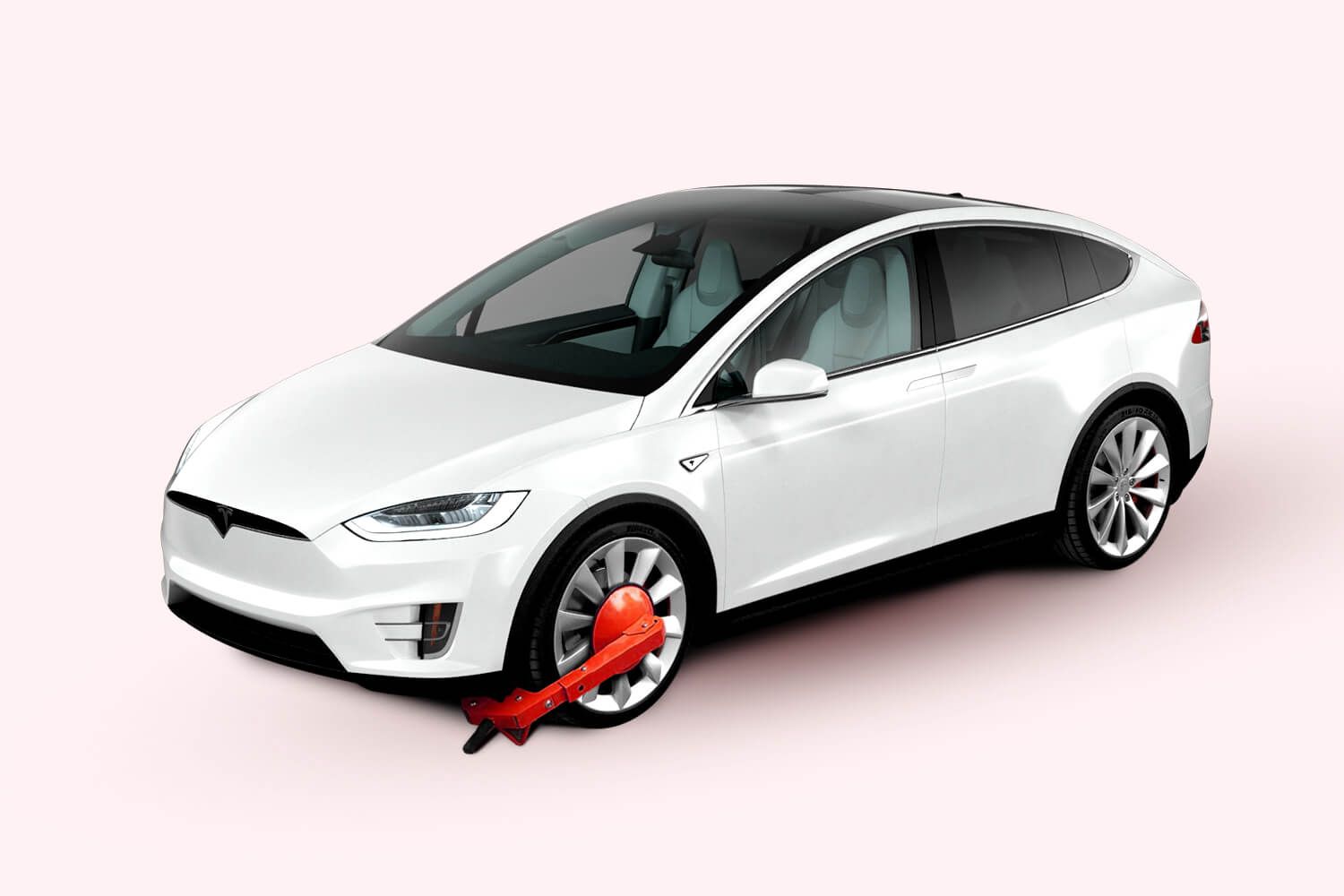
Yesterday, the investigative agency capped its two-year postmortem of a March 2018 crash in which a Tesla Model X hit a California highway barrier while Autopilot was engaged, killing the driver. The NTSB identified a few probable causes:
Officials criticized Tesla for ignoring the NTSB's 2017 safety recommendations to improve driver monitoring systems and restrict where Level 2 driving systems are deployed.
Tesla hasn't formally responded to the NTSB's recommendations for *checks notes* 882 days. But the company has consistently said that on a per-mile basis, Autopilot is safer than the average human driver.
NTSB officials criticized regulators from the NHTSA, a Department of Transportation sub-agency overseeing vehicle safety. The NTSB thinks the NHTSA has provided "scant oversight" of the auto industry's rapid deployment of driver-assist features. Hope you're still with me after all these acronyms.
"There is not a vehicle currently available to U.S. consumers that is self-driving," NTSB Chairman Robert Sumwalt said. A big theme of yesterday's hearing and Consumer Reports's coverage: Confusion with partially automated driving systems can lead to drivers letting their guard down and over-trusting their car.
Bottom line: Two of 'em.
+ While we're here: The NHTSA halted the operations of 16 EasyMile self-driving shuttles after a passenger was injured in a braking incident.